Case study · 1st Place Winner

SkillForge VR — AI-powered vocational training in VR.

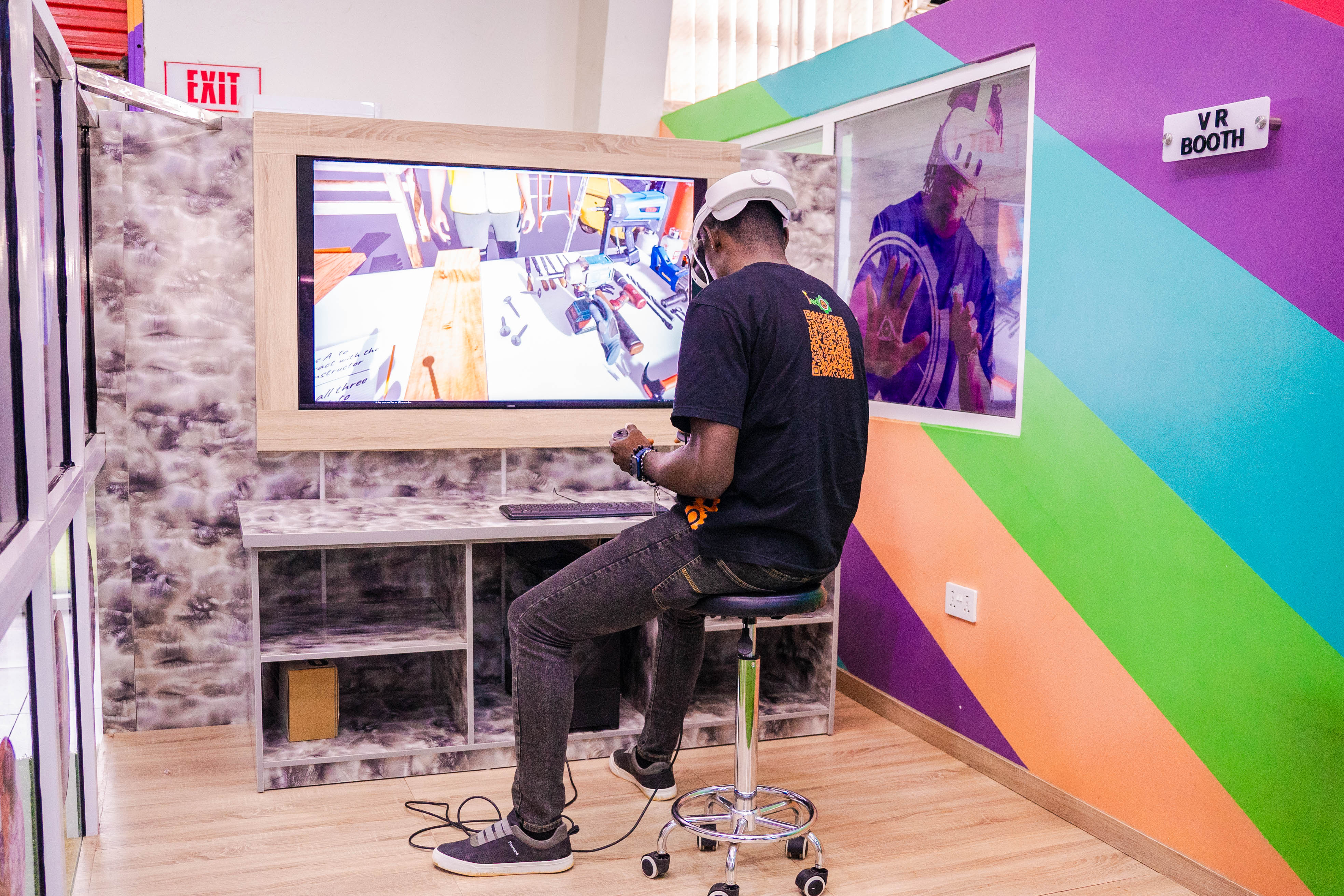
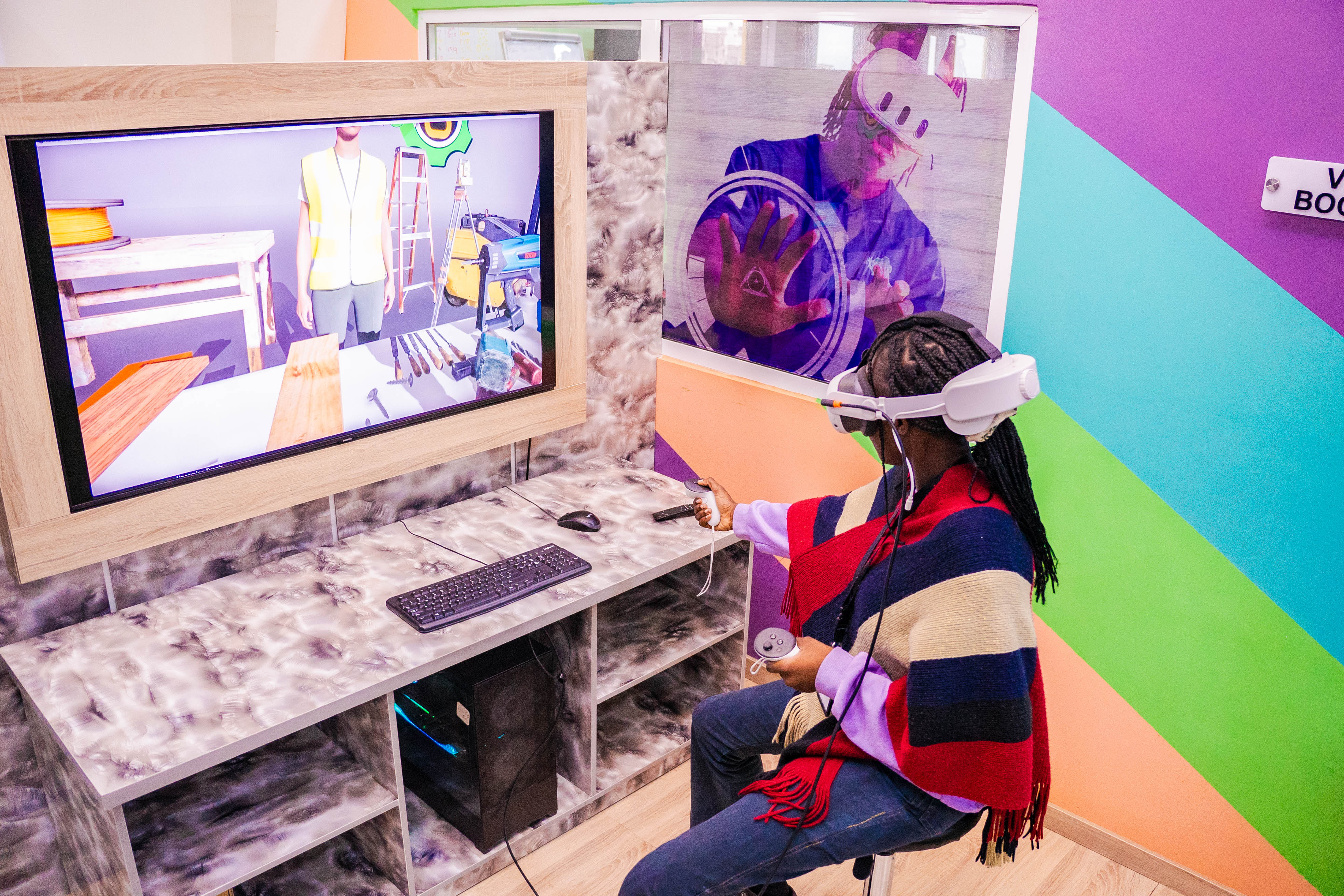
An immersive, voice-first PCVR application for Technical and Vocational Education and Training (TVET), built for the IEEE Metaverse Grand Challenge. Learners practice hands-on trades through natural conversation — no complex VR menus required.

PCVR Unreal Engine 5 Voice AI TVET Convai Meta Quest 3 Multilingual

2025 IEEE Metaverse Grand Challenge

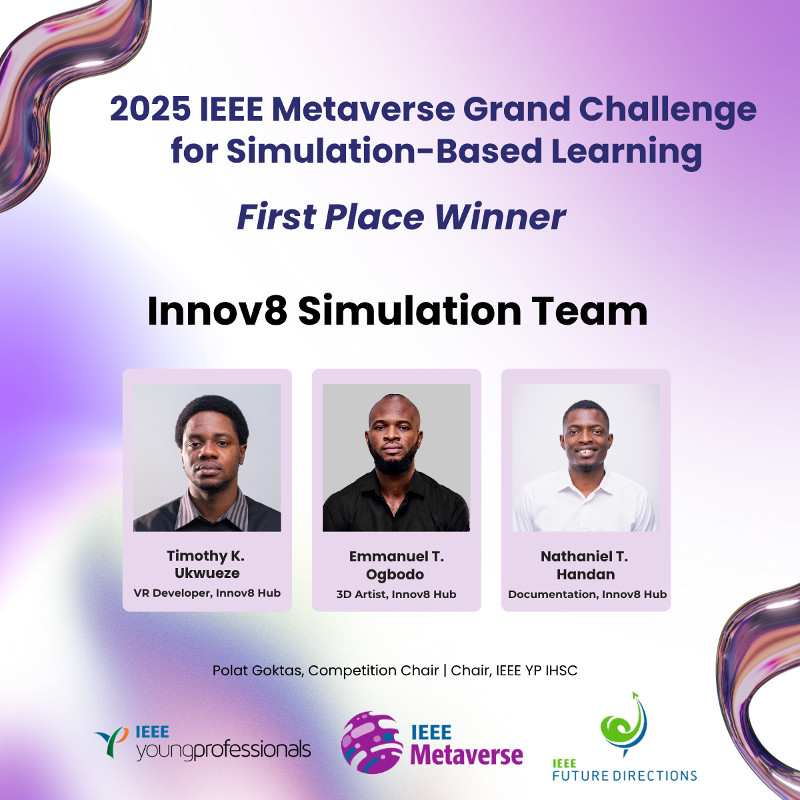
First Place — Innov8 Simulation Team

The Innov8 Simulation Team won the global Simulation-Based Learning track, recognized by IEEE Young Professionals and IEEE Metaverse for demonstrating how AI and XR can scale vocational education.

  • Competition: IEEE Metaverse Grand Challenge for Simulation-Based Learning
  • Team: Innov8 Hub — Innov8 Simulation Team
  • Chair: Polat Goktas, IEEE YP IHSC
IEEE Metaverse Grand Challenge 2025 first place award for Innov8 Simulation Team

Problem

  • Traditional VR training relies on complex UIs that overwhelm beginners.
  • Vocational training in Nigeria is often static, language-limited, and hard to scale.
  • Learners struggle to connect theory to hands-on practice at their own pace.
  • English-only delivery excludes Hausa, Igbo, and Yoruba speakers from real workshop-style learning.

Solution

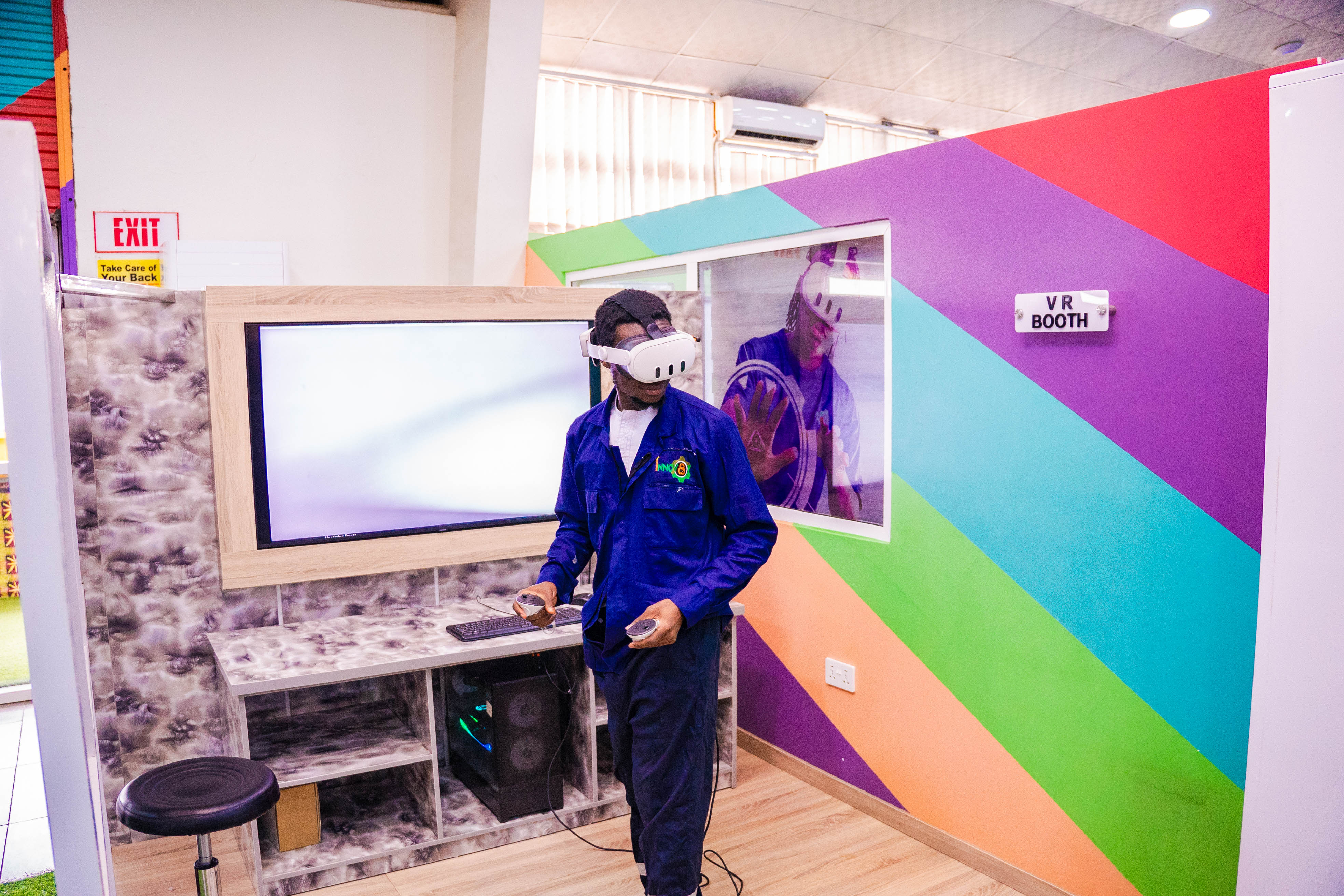
SkillForge VR combines adaptive AI with a voice-first VR interface so learners control the entire experience through conversational speech — eliminating button-heavy menu navigation.

  • AI Career Guide in the VR lobby for personalized trade recommendations.
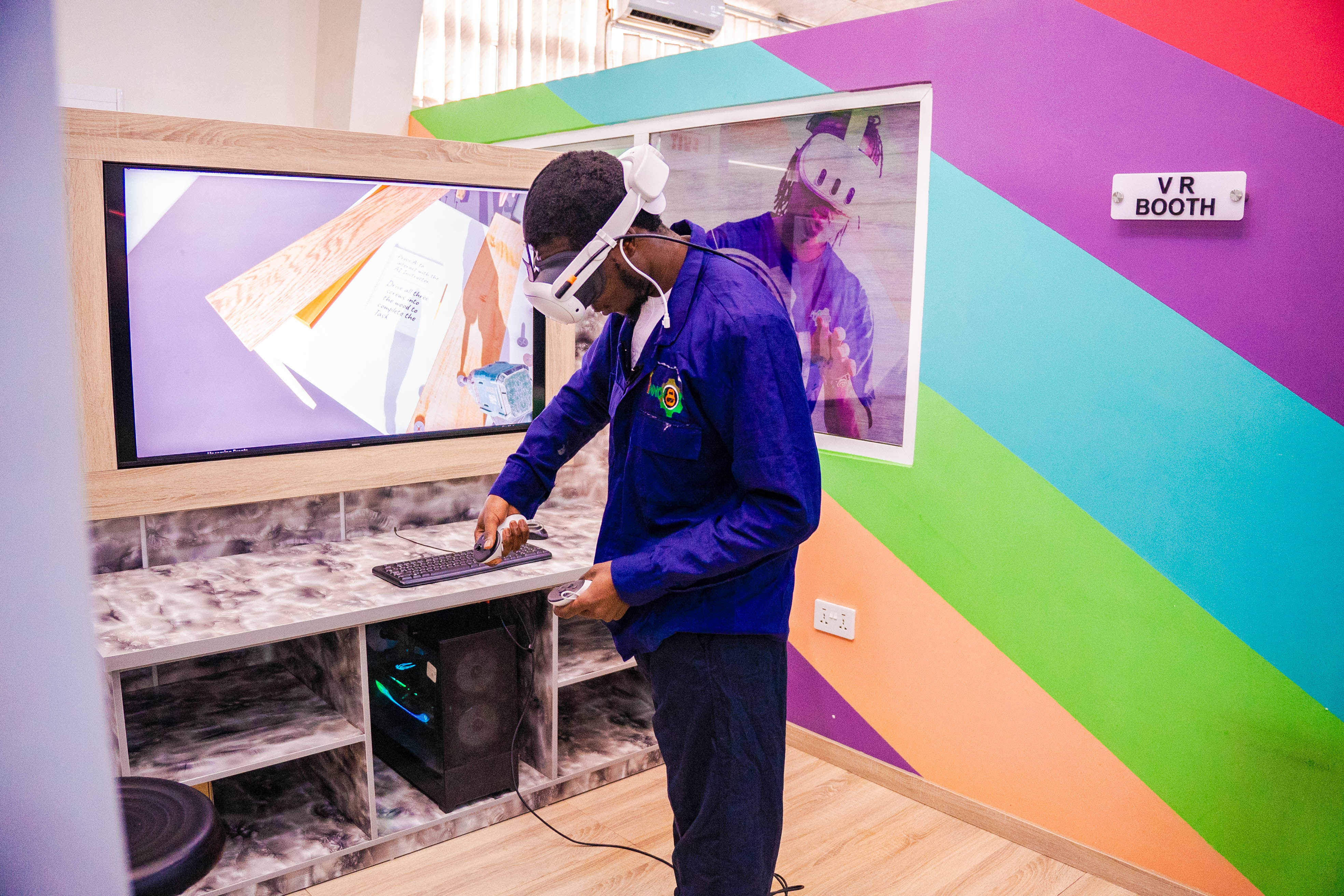
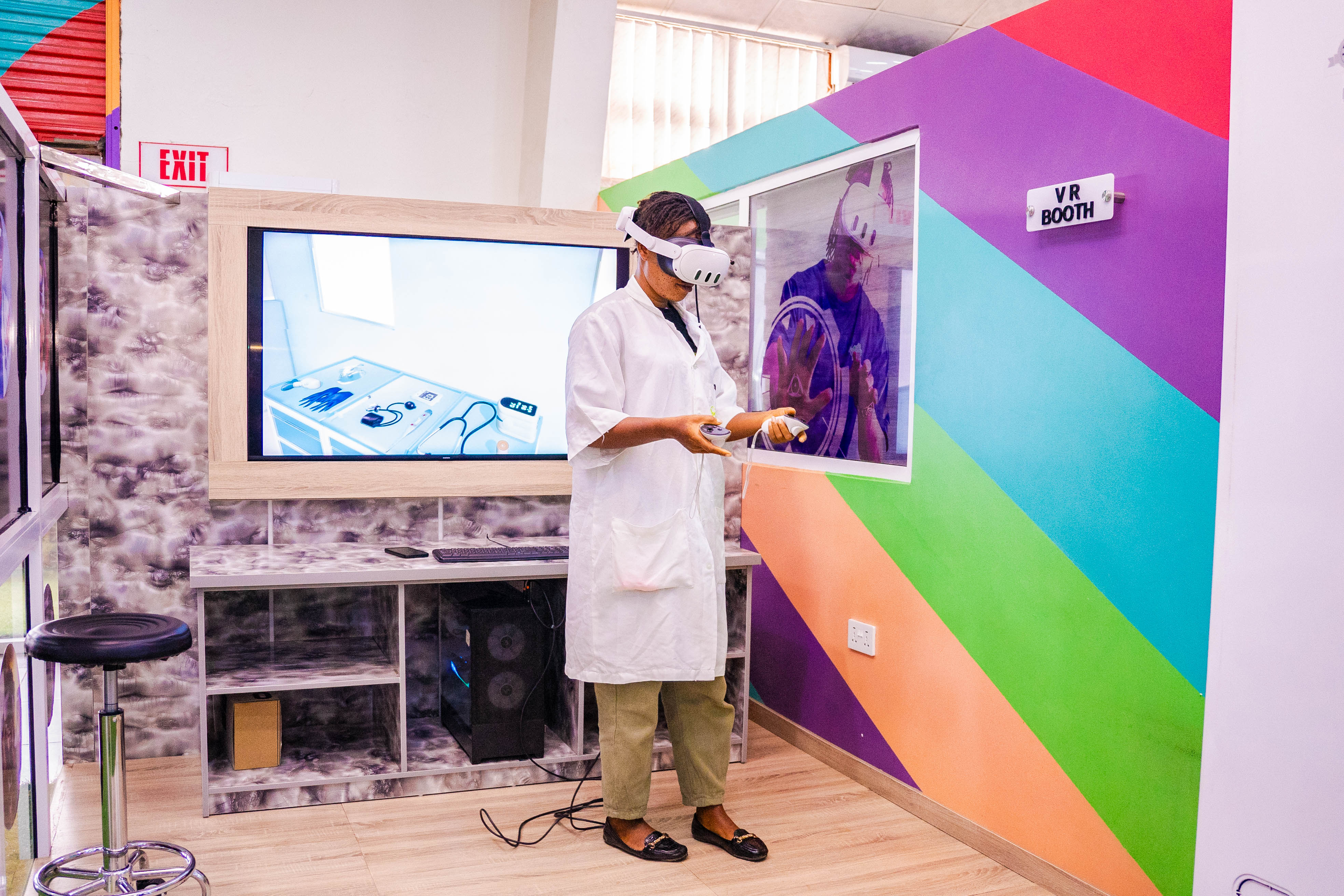
  • Workshop simulations with step-by-step AI instructor guidance.
  • Multilingual support: Hausa, Igbo, Yoruba, and English.
  • Gamified progression with tasks, levels, badges, and certifications.

My role

Documentation Lead — Innov8 Hub, Innov8 Simulation Team.

  • Authored project documentation, competition submission materials, and technical narrative.
  • Supported the team’s IEEE Metaverse Grand Challenge presentation and demo story.
  • Contributed to product communication around voice-first TVET workflows and impact.

Stack & tools

  • Unreal Engine 5 — core VR simulation engine
  • Meta Quest 3 — primary headset for testing and deployment
  • Convai — AI conversational interface for natural language
  • MetaHuman — realistic AI instructor characters
  • Figma — UI/UX design and prototyping
  • Fab Assets — 3D workshop environments and props

Team

Timothy K. Ukwueze VR Developer, Innov8 Hub
Emmanuel T. Ogbodo 3D Artist, Innov8 Hub
Nathaniel T. Handan Documentation, Innov8 Hub

Demo video

Walkthrough of the SkillForge VR lobby, AI career guide, workshop learning flow, and voice-first interaction.

User flow

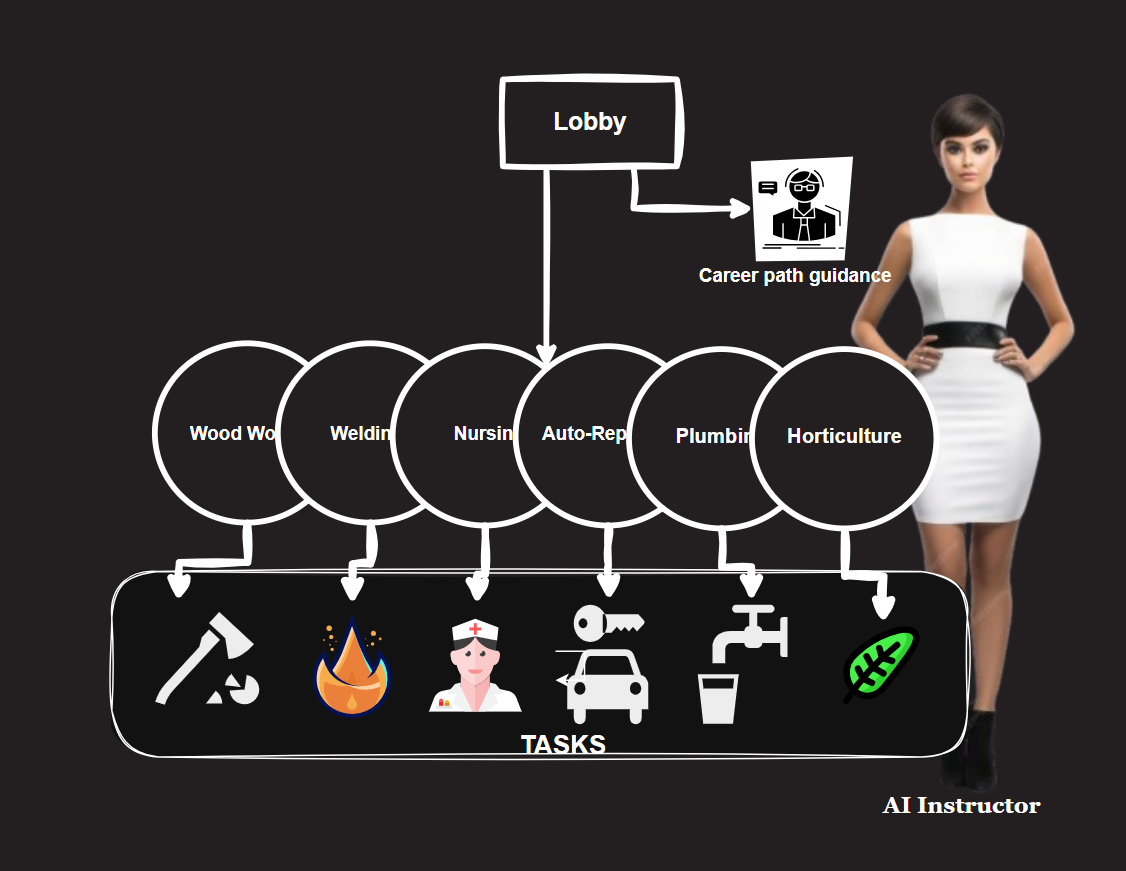
From lobby to workshop — learners navigate entirely by voice, with AI confirming intent and adapting guidance in real time.

  1. VR Lobby — greeted by the AI Career Guide; voice-driven navigation via the AI-powered VUI.
  2. Choose your path — speak to the career guide for trade recommendations, or enter a workshop directly.
  3. Workshop selection — woodwork, nursing, welding, electronics, automobile, tailoring, and more.
  4. Adaptive practice — AI instructor adapts to user actions; all interactions use contextual voice commands.
  5. Progress & feedback — real-time feedback, adaptive challenges, and progress tracking.
SkillForge VR user workflow diagram

Voice-first interaction

Players interact using natural language. The AI understands intent, confirms steps, and adapts responses contextually — beyond simple phrase matching.

  • Push-to-talk — hold controller trigger while speaking for reliable ASR capture.
  • AI confirmation — clarifies ambiguous requests and guides users interactively.
  • TTS + captions — spoken responses with on-screen subtitles for accessibility.
  • Disambiguation — numbers and highlights candidate objects when multiple matches exist.
  • Fallback controls — controller/gaze click for confirm, tool pickup, and locomotion in noisy environments.

Example intents: “Open the carpentry workshop”, “Repeat that step”, “Switch to Yoruba”, “Show my progress”, “What did I do wrong?”
User testing (early)

  • Beginners completed tasks faster with voice than with traditional VR menus.
  • Children and adults adapted quickly to task-driven, conversational guidance.
  • Dynamic difficulty and timely feedback increased engagement.

Impact

  • 40% faster training — voice-first interaction reduces time vs. traditional VR interfaces.
  • Geographic reach — expert-level TVET instruction without physical workshop access.
  • Language inclusion — technical training in Hausa, Igbo, and Yoruba for 180M+ native speakers.
  • Scalable expertise — one master craftsman’s knowledge replicated through AI tutors.
  • Youth employment — job-ready skills aligned with Nigeria’s National Skills Qualification Framework.
  • Inclusive learning — adapts to individual pace; voice and visual accommodations supported.